Your Website Gets Traffic but No Leads: 8 Problems I’d Check First
If your website gets traffic but almost nobody contacts you, I would not start by asking how to get more traffic.
I would ask why the people you already have are leaving.
Businesses regularly spend more on SEO, ads, and content while the conversion path underneath them is weak. If you gave me a small-business website and said, “People visit, but we are not getting leads,” this is where I would start.
1. I cannot tell what you actually sell
The first screen of the site should make the offer understandable—not poetic.
I want to know what the company does, who it helps, where it works if geography matters, why I should keep reading, and what I can do next.
A vague promise like “Building better futures together” could describe hundreds of companies. Clarity improves everything downstream.
2. The visitor landed on the wrong page for their intent
Traffic can be real and still be low quality.
Someone searching for pricing information may land on a broad homepage. Someone searching for one specific service may land on a page that mentions it once.
The site technically got traffic. It did not satisfy the reason the person clicked.
That is why page architecture matters. Important intents often deserve focused pages.
3. The website asks for commitment before earning trust
A large BOOK NOW button is not a trust strategy.
Before contacting an unfamiliar business, people look for evidence. Depending on the industry, that might be real work, case studies, professional photos, reviews, credentials, customer names, process, examples, or clear policies.
The more expensive, sensitive, or unfamiliar the service, the more trust the page usually needs to build.
4. The call to action is technically there but practically invisible
A website can have a button on every page and still have a weak conversion path.
Ask whether the action is specific, whether it appears at the right point, whether there is one primary next step, and whether mobile makes it easy.
“Contact Us” is functional. “Send me your current website and tell me what you want to improve” is much clearer.
Good calls to action remove ambiguity.
5. The form is annoying
Every field has a cost.
A professional-services website may genuinely need enough information to qualify an inquiry. But many forms ask for data simply because the template had the fields.
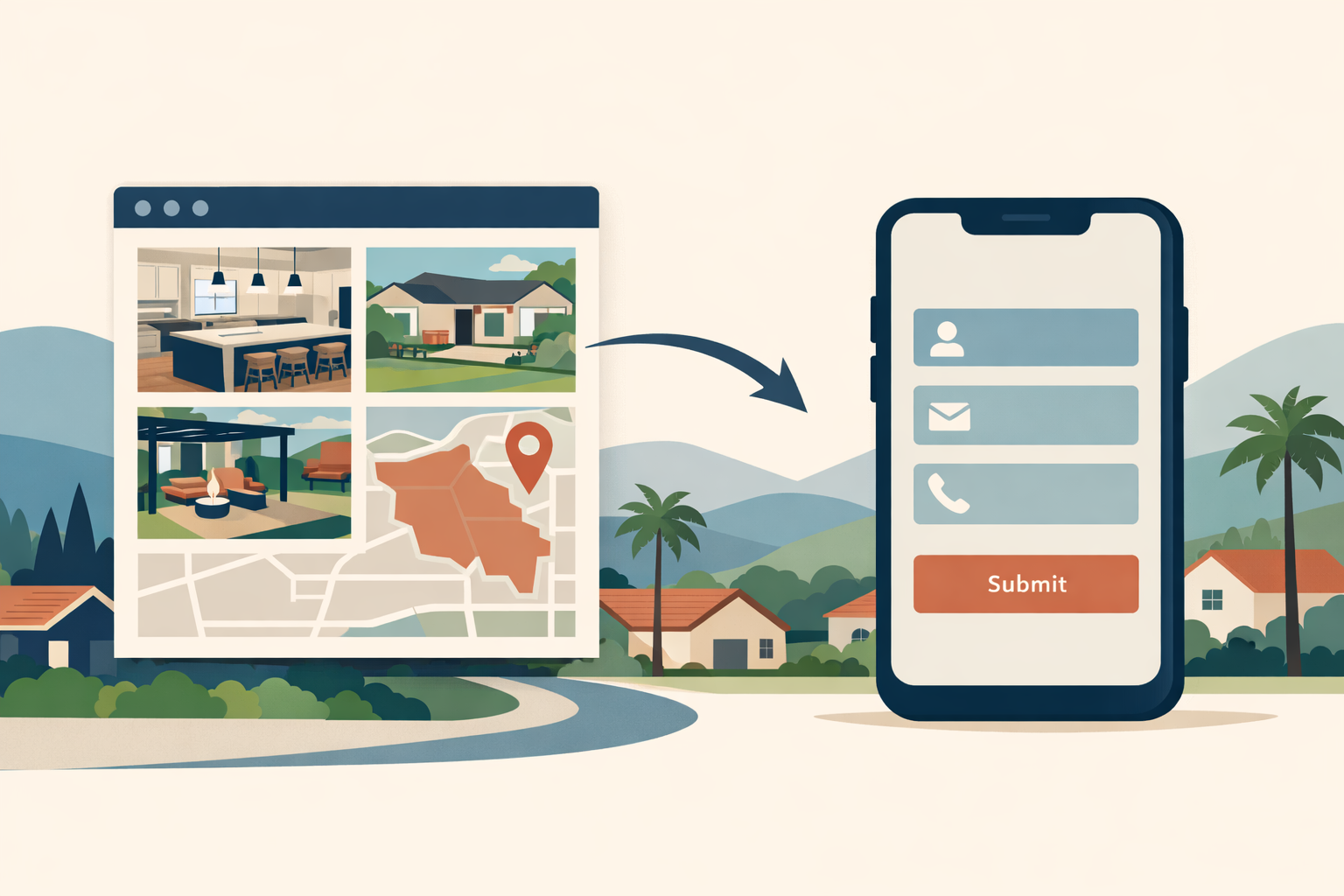
Do you really need a full address, company size, exact project date, ten checkboxes, and a long intake before someone can start a conversation?
Collect what helps you respond. Ask for the rest later.
6. Mobile turns the site into work
A desktop layout shrinking to fit a phone is not the same as a good mobile experience.
I would check font size, button size, sticky elements, menus, form fields, tap-to-call, image cropping, section length, load speed, and whether the key offer is visible early.
For many local businesses, the mobile version is the website. Treat it that way.
7. The page gives no reason to choose you
This is different from explaining what you do.
If five competitors offer the same service, why should someone contact you?
The answer can be practical: specialization, faster process, bilingual service, direct access to senior staff, transparent pricing, local experience, custom capability, or a specific methodology.
The page should make the decision easier.
8. You are not measuring the right actions
“Traffic is up” tells me almost nothing.
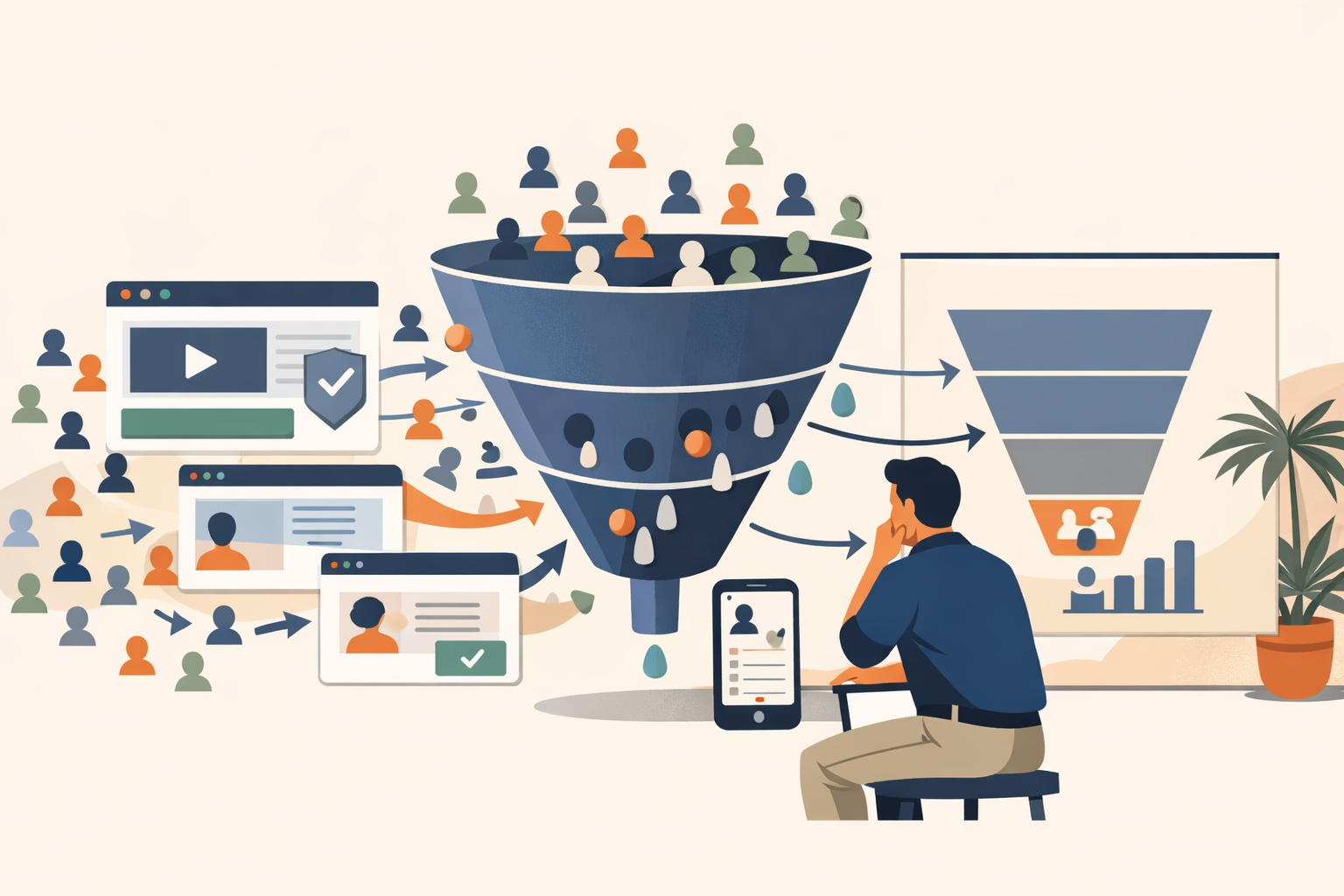
I want to know which pages visitors enter through, which pages lead to contact, where they drop off, which devices convert, whether phone taps are tracked, whether forms actually submit, and which campaigns send qualified visitors.
Analytics does not solve the conversion problem. It tells you where to look.
Before buying more traffic, run this test
Take the page that gets the most relevant traffic and ask:
In ten seconds, can someone answer:
- What is this?
- Is it for me?
- Do I trust it?
- What should I do next?
In thirty seconds, can someone answer:
- What exactly do I get?
- Why should I choose this company?
- What happens after I contact them?
On a phone:
- Can I call or submit without fighting the interface?
If those answers are weak, that is where I would work first.
Sometimes the website is not the problem
A site can be perfectly good and still get poor leads because the traffic source is irrelevant, the offer is weak, pricing is uncompetitive, sales follow-up is slow, or ad targeting is wrong.
Do not force a website redesign to solve a business-model or sales problem. A good developer should be willing to say that.
FAQ
How do I know whether traffic quality or the website is the problem?
Compare conversion by source and landing page. If relevant visitors consistently leave strong-intent pages without taking action, the site deserves a closer look.
Should I redesign before running ads?
Not automatically. But verify that the landing experience is clear, trustworthy, mobile-friendly, and measurable before spending heavily to send more people there.
What is the first conversion fix you would make?
Usually clarity: make the offer, customer, proof, and next step obvious before adding more tactics.
The bottom line
Traffic is only useful if the right people arrive and can confidently take the next step.
If you already have visitors, conversion work can be more valuable than immediately buying more attention.
Start with clarity. Then trust. Then friction. Then measurement. Only after those are working would I be excited about sending substantially more traffic into the system.